In the competitive landscape of dry bulk material processing, bulk material handling efficiency directly impacts profit margins. When handling dry, free-flowing materials, a granule packaging machine is an essential tool. It helps manufacturers scale their operations.
However, many factories still rely on legacy, semi-automated, or manual filling methods. These methods drain resources and slow production lines.
Upgrading to an advanced automatic bag weighing and filling machine is not just an equipment upgrade. It is a smart way to fix common factory floor bottlenecks.
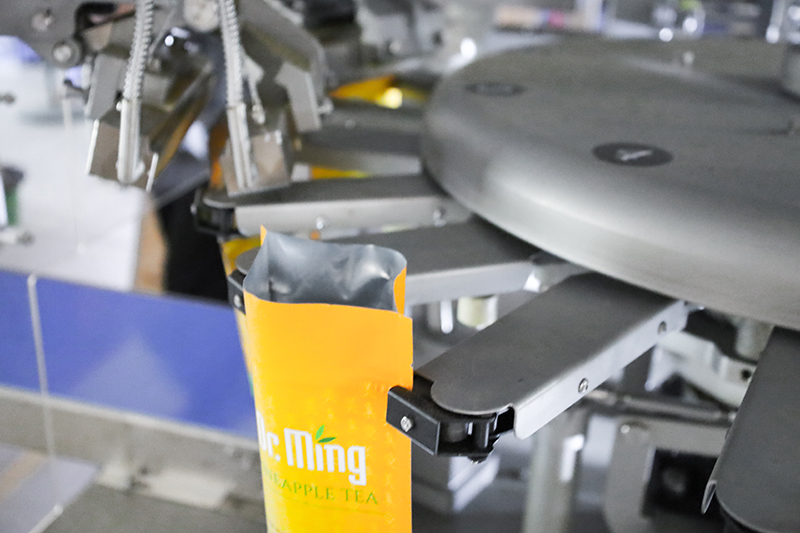
Common Challenges in Manual Weighing and Filling
Manufacturers relying on manual weighing or basic volumetric filling often face severe operational issues that hinder their growth:
Product Giveaway & Weighing Drift: Manual scooping makes it impossible to achieve microscopic accuracy. Overfilling bags by a few grams to meet regulations causes major material waste over a year of production.
Labor Shortages & High Turnover: Using a large workforce for repetitive bagging tasks raises labor costs. It can also cause sudden labor shortages during peak seasons.
Inconsistent Packaging Quality: Human fatigue leads to poor sealing integrity, misaligned bags, and a higher rate of product rejection.
Slow Packaging Speeds: Manual operations create a permanent bottleneck, preventing the factory from accepting larger retail or export contracts.
An automatic bag weighing and filling machine eliminates these bottlenecks by combining weighing, dosing, and bagging into a single, fully synchronized workflow.
Main Components of an Automatic Bag Weighing and Filling Machine
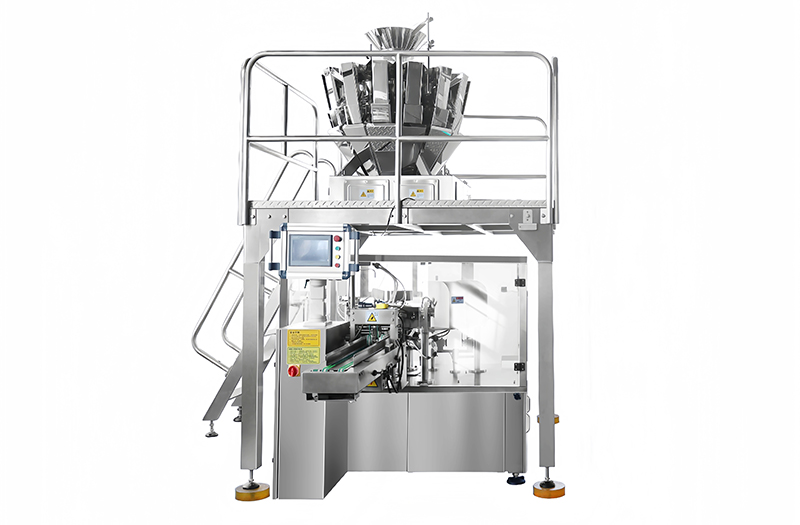
A professional automated line is an ecosystem of precision engineering. Understanding what is included in a typical setup helps procurement managers select the right configuration for their factory layout:
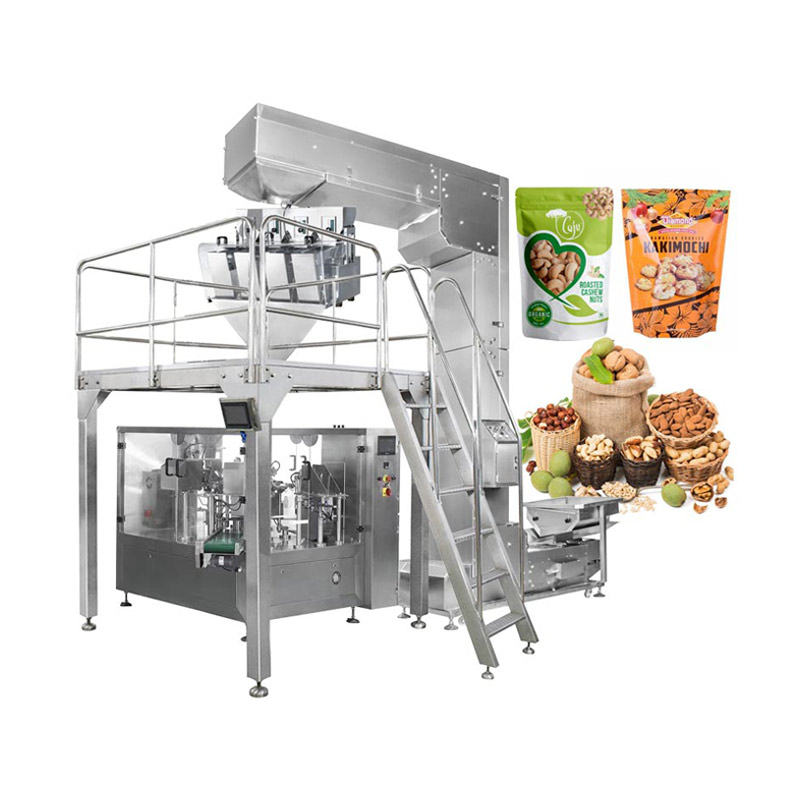
Z-Type Bucket Conveyor: Safely elevates granules from the floor level to the top dosing system without crushing or breaking fragile materials.
Multi-Head Weigher: The core calculation unit. A multi head weigher uses a circular array of weigh buckets to calculate the perfect combination of product dumps in milliseconds, achieving unmatched accuracy and eliminating product giveaway.
Bagging Unit: The mechanical heart of the automatic bagging systems. This system automatically pulls a pre-made bag or forms a pouch from film roll stock, opens the mouth, receives the product, and applies a flawless heat seal.
PLC Control System: The central brain of the automatic weighing and bagging machine. It features an intuitive touch-screen interface where operators can save product profiles, adjust speeds, and monitor real-time output.
Discharge Conveyor: Safely transports the filled and sealed pouches away from the machine toward metal detectors, checkweighers, or final boxing areas.
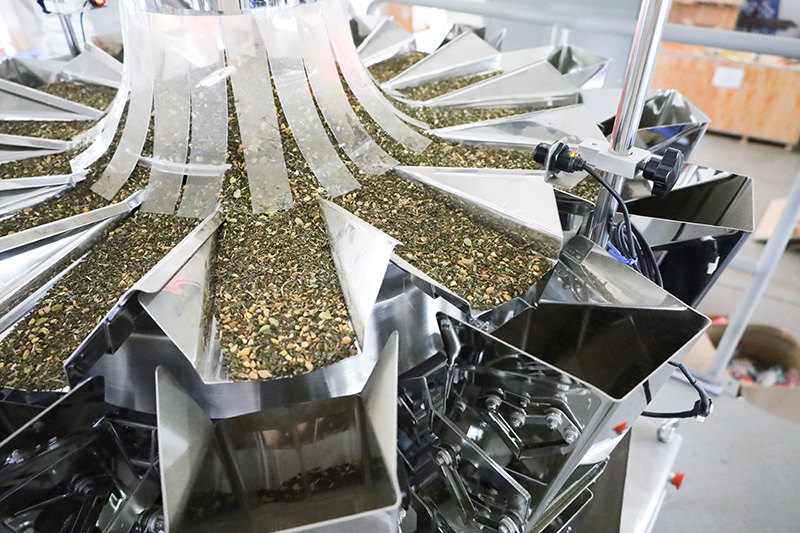
Direct Benefits of an Automatic Weigh Filling Machine
Transitioning to an automatic weigh filling machine delivers immediate, measurable ROI. By replacing volume-based filling with fast weight checks, factories can keep steady quality. This holds even when material density changes.
Furthermore, a modern automatic bag filling machine cuts human contact with raw materials. This helps meet strict food safety and hygiene rules. For heavy farm work, setting up the system as a grain packaging machine keeps dust from affecting weighing accuracy. It uses dust-proof enclosures and automatic air-purge systems.
Whether your line runs as a compact single-lane sealer or a large industrial system, a synced bagging and weighing machine helps. It keeps daily output close to your planned production capacity and reduces unexpected downtime.
Conclusion
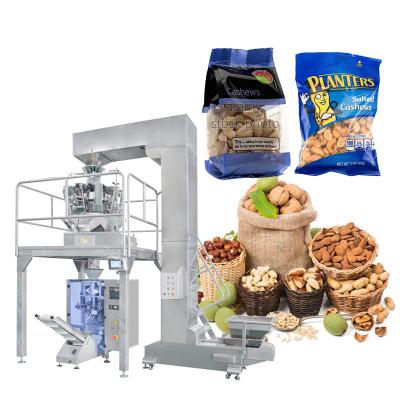
Whether you pack rice, seeds, snacks, pet food, or industrial granules, the right automatic bag weighing and filling machine helps. It can improve weighing accuracy, cut labor costs, and boost production capacity. By choosing a system that matches your materials and production volume, manufacturers can create a dependable packaging line. This supports long-term growth.
Frequently Asked Questions
Q1: Multi-head weigher vs. Linear weigher: Which one do I need?
A: Choose a multi head weigher for irregular, sticky, or uneven granules (like snacks or pet food) that require high speed and precise combination accuracy. Choose a linear weigher for uniform, free-flowing bulk granules (like sugar or salt) where high speed is less critical.
Q2: Can one automatic bag filling machine handle multiple bag sizes?
A: Yes. For premade pouches, you can quickly adjust the gripper width via the PLC touchscreen. For roll-film machines, you simply swap out the forming tube. Most automatic bagging systems can easily handle a wide weight range (e.g., 100g to 1kg) on a single frame.
Q3: How does the bagging and weighing machine handle dusty granules?
To protect the seal and prevent weighing drift, an automated bagging and weighing machine can use enclosed weigh buckets. It can also include dust-extraction hoods at discharge points. Air-purge systems can clean the bag mouth before sealing.
Q4: What is required to prevent downtime on an automatic weighing and bagging machine?
A: Maintain a simple three-step routine:
Daily: Clean product residue off the weigh buckets and sealing jaws.
Weekly: Check air pressure and test heating elements.
Monthly: Lubricate bearings, inspect the discharge conveyor belt, and calibrate weight sensors.

 No. 12 South Chuangye Road, Zhaoda Pioneer Park, Shishan Town, Nanhai District, Foshan City, GD, China


 русский



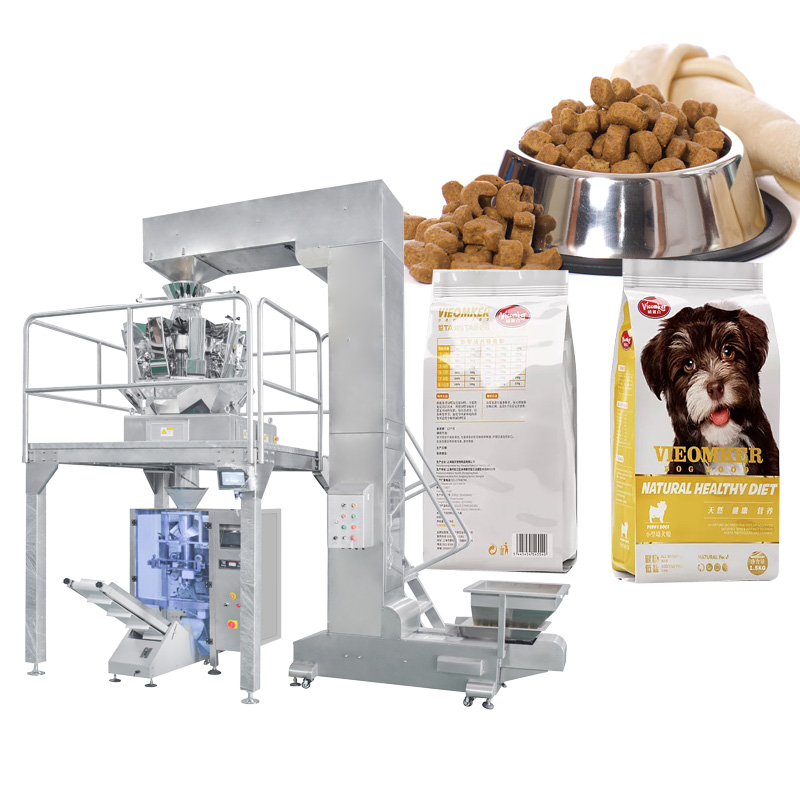 вертикальная упаковочная машина
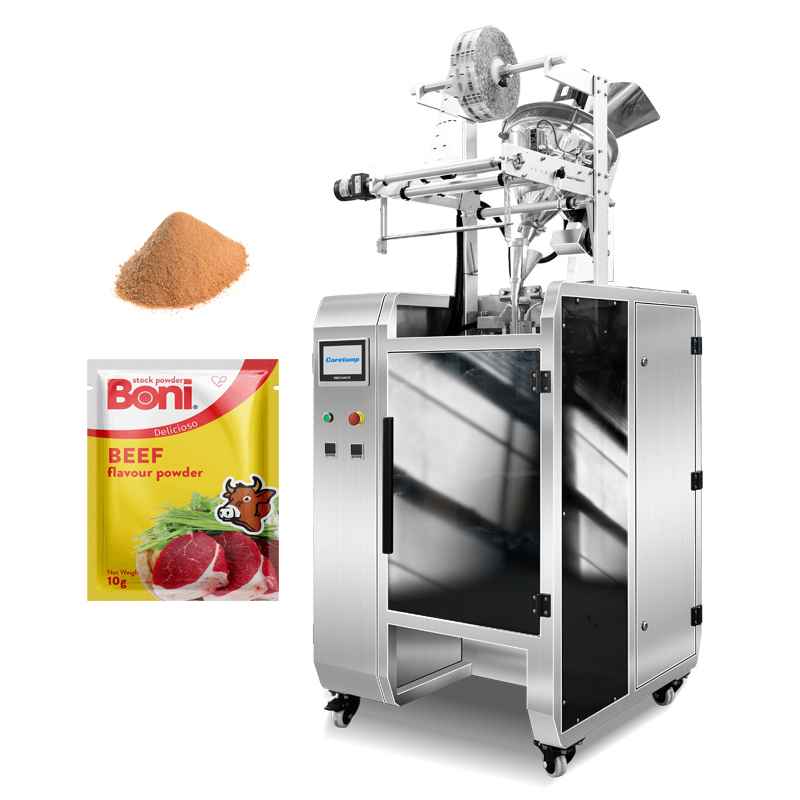 Powder Packaging Machine
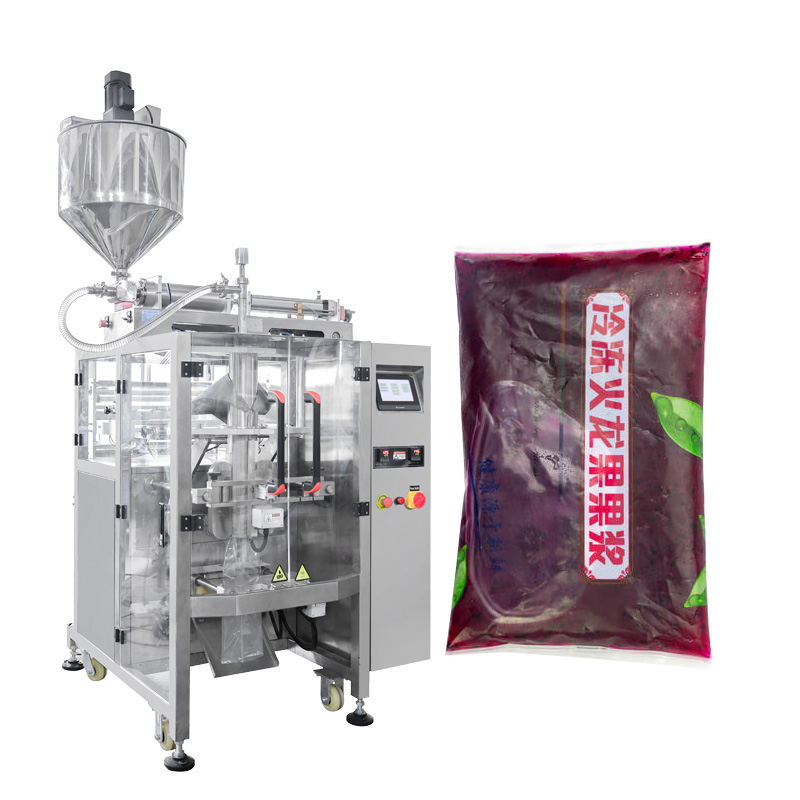 Liquid Packaging Machine
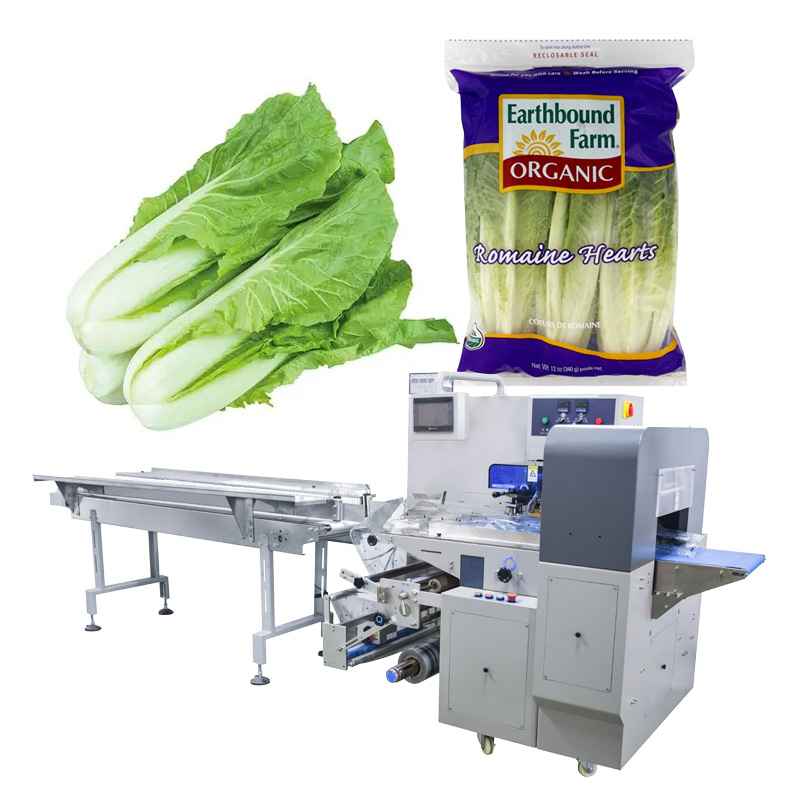 Упаковочная машина для упаковки потока
 Premade Pouch Packaging Machine
 Многополосный упаковочная машина
 Sachet Packaging Machine
 автоматическая упаковочная линия

